
Our Story
Why Some People Stay Stuck
When the Same Approach Works for Everyone Else

Most health advice assumes everyone's body works the same way.
Eat less. Move more. Sleep eight hours. Manage your stress. The recommendations are universal, the science is solid, and for some people they work beautifully.
For others, they don't. And the people they don't work for usually end up blaming themselves.
That's the gap Hormetics was built to address.
How It Began
A Pattern That Was Hard to Ignore
Hormetics didn't start as a body composition system. It started as a clinical observation.
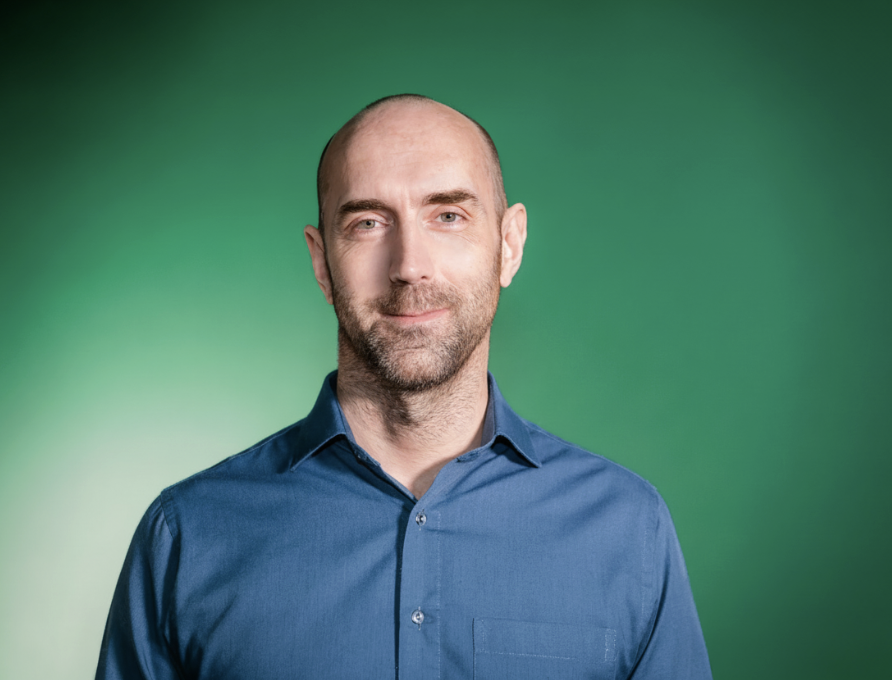
My name is Elwin Robinson, and for over a decade I've worked one-on-one with people dealing with chronic health issues using a framework I call the Rejuvenate Blueprint, which addresses what I see as the seven root causes of most chronic conditions: genetic factors, nutritional gaps, toxin exposure, hormonal imbalances, lifestyle factors, chronic infections, and the psychological/emotional layer.
The phrase I come back to with clients is this:
"You're only as strong as your weakest link."
You can have six of the seven dialed in, but if the seventh is broken, your health stays stuck. The work is finding which links are weak for that specific person and addressing them.
When I first started, body composition wasn't the focus. People came to me for fatigue, autoimmune issues, brain fog, sleep problems, hormonal symptoms — complex conditions that hadn't responded to standard care.
But something kept happening that I couldn't ignore.
When we addressed the root causes of someone's primary health concern, body composition often shifted as a side effect. Without us targeting it. Without restrictive dieting. In fact, I was usually encouraging people to eat more, not less, because their bodies needed the fuel to repair.
At first I thought I was misreading the pattern. After it happened enough times across enough clients, I knew I wasn't.
Something about resolving the underlying hormonal and metabolic chaos was changing the whole equation. The body wasn't fighting itself anymore. And when a body stops fighting itself, a lot of things become possible that weren't before.
When It Became Personal
The Question I Couldn't Stop Asking

The pattern crystallized into something I could name when it became personal.
My wife Hana had never had to think much about food. But come winter, something shifted. Her appetite increased and food felt different to her. She talked to her doctor and tried a low-dose GLP-1 medication.
It worked. The hunger eased. But the side effects weren't worth it for her: elevated heart rate, disrupted sleep, a general sense that her body was being suppressed rather than supported.
She came off it. And I started thinking about something that hadn't quite formed in my head before.
"Rather than forcing the stomach to feel full, what if we could just restore the actual satiety signal?"
That question sent me down a research rabbit hole on leptin: the hormone your cells send to your brain to signal you've eaten enough. The mainstream framing of leptin had always been about quantity — you produce too little, you stay hungry. But the research suggested something more interesting. In most people struggling with appetite regulation, leptin levels weren't low. They were high. The body was producing the signal correctly. The brain just wasn't receiving it.
The problem was resistance, not deficiency.
When I designed a nutritional protocol around that insight — supporting the leptin signaling pathway rather than suppressing appetite by force — Hana's experience changed. Not through restriction. Through restoration.
And the question that had been forming since my early clinical work suddenly had a name. There were specific hormonal patterns, distinct from each other, each one driving a different version of the same broader experience: the feeling that your body was working against you instead of with you.
The Collaboration
Meeting Dr. Miriam
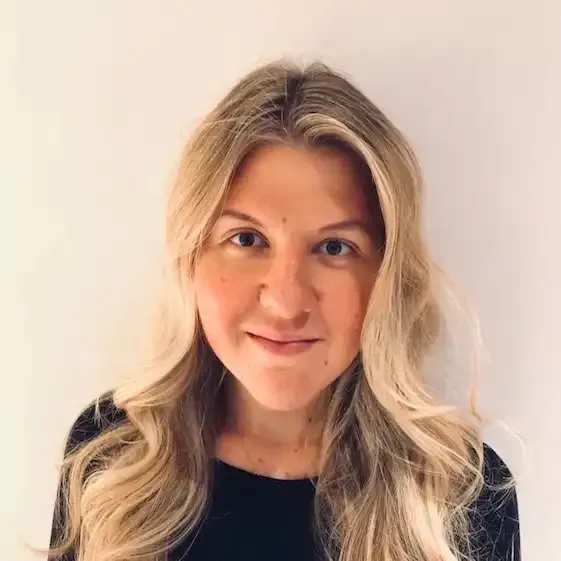
I came to Dr. Miriam Mikicki originally as a patient.
She runs a private functional medicine practice in London. I went to her for the kind of work I couldn't do for myself: medical interpretation of my own labs, prescriptions where they were appropriate, the second perspective you need when you're too close to your own case to see it clearly.
She was the kind of doctor I'd been quietly looking for. Properly medically trained, but not stuck inside the boundaries of what a ten-minute consultation can address. Willing to look at the whole picture, run the tests that conventional care wouldn't run, and engage seriously with the functional medicine literature.
Over time the consultations turned into conversations. Conversations turned into a friendship. And eventually I started inviting her to work alongside me on some of my own platinum clients, the more complex cases where I felt the work needed both functional and medical eyes on it.
Now we go both ways. She brings me cases where the root-cause work is what's needed. I bring her cases where medical input is essential. We ask each other for a second opinion on the ones that don't fit cleanly into either of our individual approaches.
"For those who are struggling with their weight, I would say the majority of my patients are doing all the right things in terms of their meal plans, their exercise. And so I started to first actually think about it more from the stress element."
She'd been arriving at the same place I had, from a different starting point. Her patients were doing the work. The work wasn't producing the results it should. Something else was driving the pattern.
When we sat down together and started mapping out the hormonal patterns we were each seeing, it became obvious that there were five distinct types showing up again and again. Each one with its own physiology. Each one needing a different approach. Each one explaining why generic advice was failing the people it was failing.
We began building a system around it. She brought the clinical research and the medical rigor. I brought the client work and the practical implementation. Between us, we landed somewhere that neither of us could have built alone.
The Name
How We Became Hormetics
For a long time we didn't have a name for any of this. It was just "the system" when we talked about it between ourselves.
A friend listening to me explain it one day suggested a name.
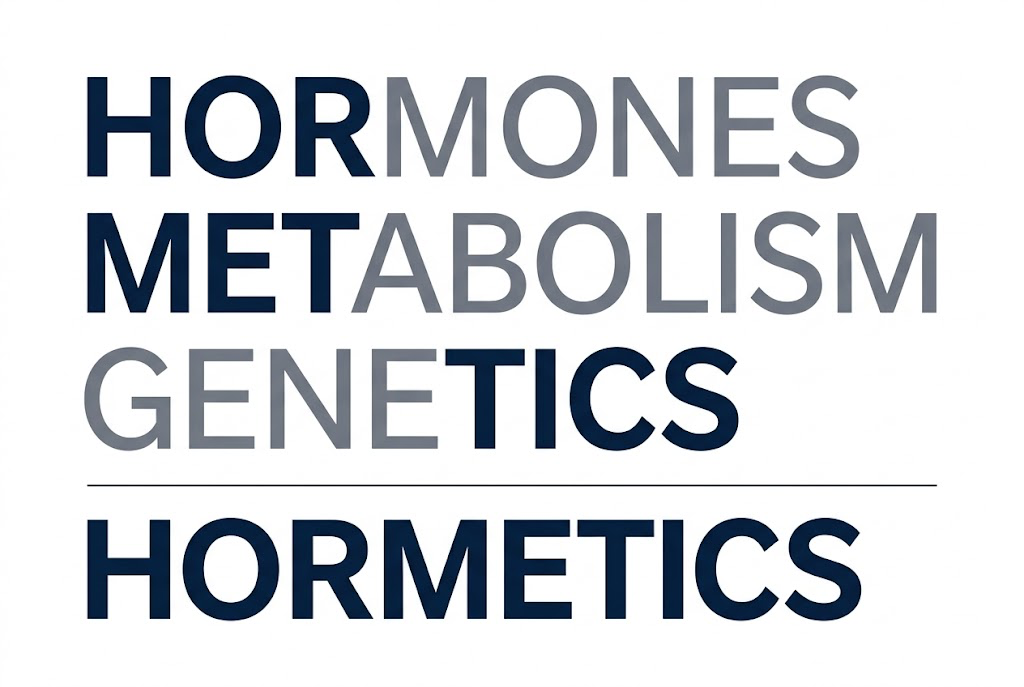
Hormetics, he said. From HORmones, METabolism, and geneTICS — the three biological domains the system was working with.
It stuck. And it captures what we're actually doing. We're not promising people a quick fix. We're not selling them another diet plan that asks them to fight their physiology. We're helping them understand which of these three systems — hormonal, metabolic, or genetic — is most active for them, and what supports that specific pattern.
Five hormonal types. Five protocols. One assessment to identify which one applies to you.

Why This Matters to Me
I Use This System Myself
I'd be a strange person to be writing this if I hadn't needed it myself.
My own pattern, when I went through this assessment honestly, was a combination of high cortisol and low metabolism. Most of my adult life I'd been running hot — productive, ambitious, and quietly running my nervous system into the ground in the process. I knew the symptoms intimately because I lived with them: the inability to switch off, the sleep that didn't restore me, the body temperature that felt low even when I was working out hard.
The protocols in our guides aren't theoretical for me. The Cortisol Reset Protocol and the Metabolism Reset Protocol were the practical roadmaps I followed for my own recovery. Morning light. Eating a real breakfast within an hour of waking. Walking instead of grinding myself into the ground at the gym. Specific evening routines that told my nervous system the day was over.
The supplements we developed are part of how I support myself, but the guides are the foundation. The supplements support the work. They don't replace it.
I tell people this because I want them to understand what they're actually getting when they engage with Hormetics. They're getting the system that I built for myself, refined over years of clinical work, validated against Dr. Miriam's medical experience, and now organized into something other people can actually use.
Our Principles
What We Stand For
Five things we hold ourselves to.
Mechanism Before Method
We don't tell you to do something without explaining why. Every step in every protocol has a "What to Do," a "Why This Works," and a "How to Do It." Because once you understand the mechanism, you don't need to follow rules. You can make sound decisions for yourself.
Root Cause, Not Symptom
Every Hormetics guide is organized around addressing what's actually driving the pattern, not just managing what you're feeling. Symptom management has its place, but if the underlying mechanism isn't addressed, you'll be managing the same symptoms for the rest of your life.
Honesty About What We Don't Know
We tell you when something is well-established research and when it's a clinical observation that hasn't yet been proven in randomized trials. We tell you when an intervention works for most of our clients but not all of them. We don't pretend to certainty we don't have.
Respect for Mainstream Medicine, Without Deference to It
Dr. Miriam and I both come from outside conventional thinking, but we don't position ourselves against the medical system. Standard care saves lives every day. Our work is for the people who fall through the gaps in standard care, not as a replacement for it. We work alongside doctors, not against them.
Results in Their Own Time
We don't promise transformations in 21 days. The body operates on its own timeline. Sleep often improves first. Energy follows. Body composition changes are usually the slowest to show, because they're a downstream effect of the system actually healing. We tell you that upfront because false promises do more harm than honest ones.
Where We're Going
What We're Building
Right now, Hormetics is a typing system, five protocol guides, and five companion formulas. That's the public-facing offer.
But what we're actually building is something bigger.
We want to make root-cause thinking available to people who don't have a functional medicine doctor down the street, can't afford a $5,000 work-up, or have been dismissed enough times by conventional providers that they've stopped looking. The free quiz at hormetics.health is the front door. The protocol guides are the depth. The formulas are for people who want targeted nutritional support alongside the lifestyle work.
We don't think we have all the answers. We think we have a useful framework, built with care, that can help a meaningful number of people understand what's happening in their own bodies. That understanding, in our experience, is the thing that actually changes outcomes.
If you're new here, the best place to start is the assessment. It takes 3-5 minutes. It will tell you which of the five Hormetics types is most active for you right now. From there, you'll know what to focus on.
Meet the Authors

Dr. Miriam Mikicki, MD
Functional Medicine Doctor
Dr. Miriam Mikicki is a UK-trained GP and IFM Certified Practitioner, and a member of the Institute for Functional Medicine's Certification Board. A pioneer of functional medicine in the United Kingdom, she is founder of Mikicki Medical and co-founder of Health Miro, a longevity and preventive medicine clinic in London. Her specialty is root-cause approaches to hormonal balance, thyroid and autoimmune conditions, gut health and longevity. Her clinical insight — shaped by years of treating patients who were doing everything right but still couldn't reach their health goals — is the foundation of the Hormetics typing system.
Elwin Robinson
Health Researcher · Author · Host of The Rejuvenate Podcast
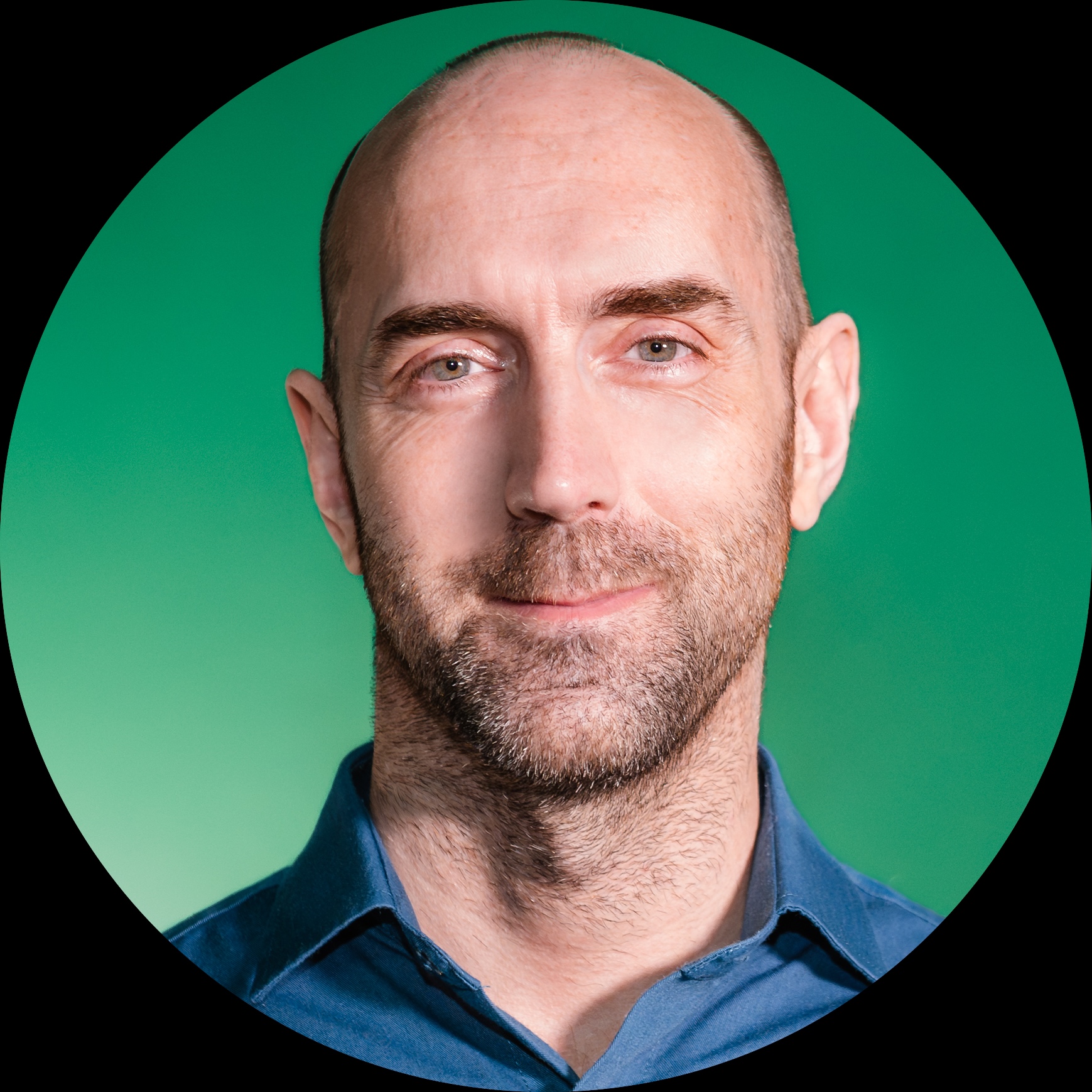
Elwin Robinson spent a decade teaching natural health through his online courses and YouTube channel — until a personal health crisis in his late thirties led him to advanced genetic testing, which revealed a root cause no standard test had caught. That experience shaped his guiding principle: if you aren't getting better, it's because nobody has looked in the right place yet. He founded Advanced Health Genetics, has worked with thousands of clients on hormonal and metabolic patterns, and is creator of the Rejuvenate Blueprint framework, host of the Rejuvenate Podcast, and author of The Rejuvenate Book Series.
We use cookies to ensure the best experience and for ad performance.