Hormetics — Hormones, Metabolism, Genetics Take the Assessment
    Cortisol type icon

    The High Cortisol Type

    When the body cannot tell the difference between a deadline and a tiger

    You wake up tired but still wired. The afternoon comes and you cannot relax. By night you are exhausted but cannot quite fall asleep, and when you do, you are awake again at 3 AM. Around the middle of your body, weight has settled in a place it never did before. There is a name for this pattern.

    The Pattern That Has a Name

    The High Cortisol Type is the third of the five hormonal patterns identified in the Hormetics framework, co-developed by health researcher Elwin Robinson and Dr. Miriam Mikicki MD, an IFM-certified functional medicine physician.

    If the following picture is recognizable, this pattern may be in play:

    • Persistent low-grade tension and difficulty unwinding
    • Sleep that comes hard, breaks at 2 to 4 AM, or feels unrefreshing
    • Energy that crashes mid-morning and revives unhelpfully late at night (a “second wind” pattern)
    • Weight gain concentrated around the abdomen, often described as a different shape from earlier in life
    • Disproportionate emotional reactions to small frustrations
    • Cravings for salt, sugar, or both
    • A sense that the nervous system is permanently set one or two notches too high
    • High caffeine reliance to function

    These patterns are characteristic of a chronically activated stress response, sustained over months and years ¹.

    What Cortisol Actually Does

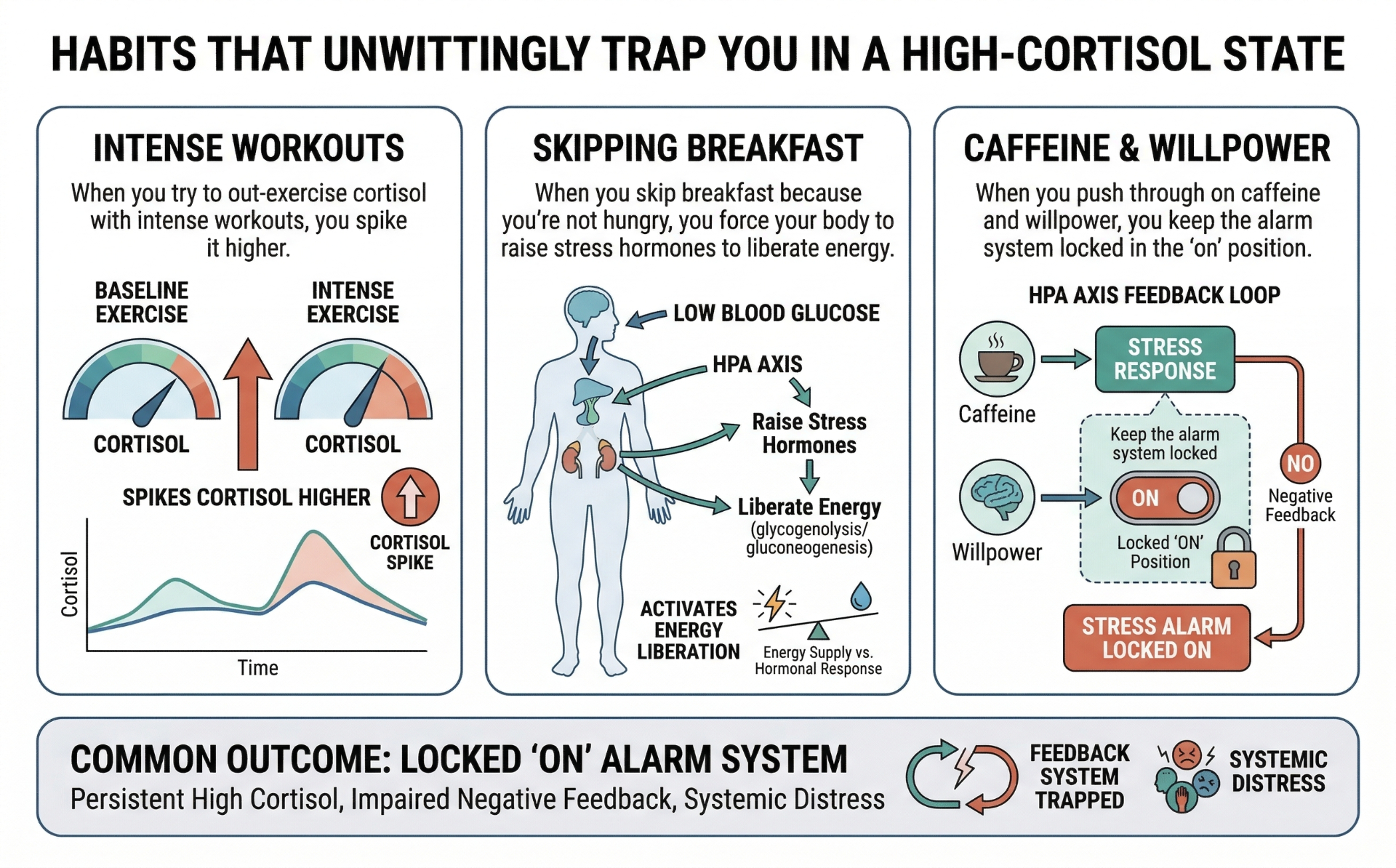
    Cortisol infographic showing the daily cortisol curve and HPA axis

    Cortisol is a steroid hormone produced by the adrenal glands, two small organs that sit on top of the kidneys ². It is the body's primary glucocorticoid and one of the central hormones of the stress response.

    Cortisol is not, in itself, a problem hormone. The body needs it. It mobilizes glucose for energy, modulates inflammation, regulates blood pressure, supports immune function, and helps drive the daily rhythm of waking and sleeping ³. A healthy cortisol curve rises sharply in the first half hour after waking (called the cortisol awakening response), gradually declines through the day, and reaches its lowest point in the early hours of the night .

    The system is designed for short, intense stressors followed by recovery. A burst of cortisol for the duration of the threat, then a return to baseline. The hormone evolved in a context where stress was acute (a physical danger, a social conflict) and where the rest of the day allowed recovery .

    This is what cortisol is supposed to do.

    When the Signal Stays On

    High Cortisol is what happens when the stress response, designed for short bursts, becomes a sustained pattern. The HPA axis (hypothalamic-pituitary-adrenal axis), which controls cortisol release, gets stuck in an elevated state . The body does not return to baseline. Recovery does not happen. And cortisol, helpful in the short term, becomes destructive over time.

    The downstream effects of chronic elevation are well documented:

    • Visceral fat storage. Cortisol promotes the deposition of fat around the abdominal organs specifically, regardless of overall calorie intake . This is why people with this pattern often describe weight gain that “looks different” from earlier in life.
    • Muscle catabolism. Cortisol breaks down muscle tissue to mobilize amino acids for glucose production. Over time, this contributes to sarcopenia and a slower metabolic rate .
    • Sleep architecture disruption. Elevated nighttime cortisol fragments sleep, particularly the deeper restorative stages, and is associated with the classic “wired but tired” experience .
    • Insulin resistance. Cortisol drives hepatic gluconeogenesis and reduces peripheral insulin sensitivity, which is one reason cortisol dominance and high insulin patterns frequently appear together ¹⁰.
    • Blunted dopamine and serotonin signaling. Chronic cortisol elevation downregulates the neurotransmitter systems involved in motivation, pleasure, and emotional regulation ¹¹.
    • Immune dysregulation. Initially immunosuppressive, chronic elevation eventually flips into a pro-inflammatory state through glucocorticoid receptor resistance ¹².
    • Reduced thyroid output. Cortisol inhibits the conversion of T4 to T3, the active thyroid hormone that controls metabolic rate ¹³.

    The pattern is sometimes called ‘adrenal fatigue’ in popular health writing, though that specific framing is contested in the endocrinology literature ¹⁴. The phenomenon itself (the dysregulated HPA axis under chronic stress) is well established. The terminology has shifted toward ‘HPA axis dysfunction’ in clinical settings.

    How This Pattern Develops

    High Cortisol is rarely about one stressful event. It develops through accumulated, sustained activation over months and years.

    • Chronic psychological stress. Work pressure, relationship strain, financial worry, caregiving demands, prolonged uncertainty. The brain does not distinguish well between these and physical threats ¹⁵.

    • Sleep deprivation. Inadequate or fragmented sleep directly elevates cortisol the following day ¹⁶. This is one of the most common entry points into the pattern.

    • Inflammatory load. Chronic inflammation, from any source, elevates cortisol as part of the body's compensatory response ¹⁷. Foods, environmental exposures, gut dysbiosis, and chronic infections can all contribute.

    • Caffeine and stimulant use. Regular caffeine consumption, especially in the afternoon, prolongs cortisol elevation. The half-life of caffeine is roughly 5 to 6 hours, but its effect on cortisol can persist longer ¹⁸.

    • Overtraining. Excessive high-intensity exercise without adequate recovery is a potent driver of HPA dysregulation ¹⁹.

    • Blood sugar instability. Skipping meals, fasting too aggressively, or eating only refined carbohydrates triggers cortisol release as a counter-regulatory hormone ²⁰.

    • Hypervigilance and trauma history. Past trauma, even decades old, can leave the nervous system primed for threat detection in a way that keeps cortisol chronically elevated ²¹.

    The Vicious Cycle

    The defining feature of the High Cortisol pattern is its self-reinforcing structure. Cortisol disrupts sleep, which raises cortisol. Cortisol promotes belly fat, which produces inflammatory cytokines, which raise cortisol. Cortisol blunts thyroid conversion, which slows metabolism, which makes weight harder to manage, which adds psychological stress, which raises cortisol ²².

    The result is a pattern that does not simply resolve when the original stressor passes. Often the original stressor (the demanding job, the difficult relationship) is no longer the same, but the dysregulated HPA pattern remains. The nervous system has learned a setpoint. It does not unlearn quickly.

    This is why people with this pattern often report that they cannot relax even when they finally have time to. The body has lost the off switch.

    Why Conventional Approaches Often Fall Short

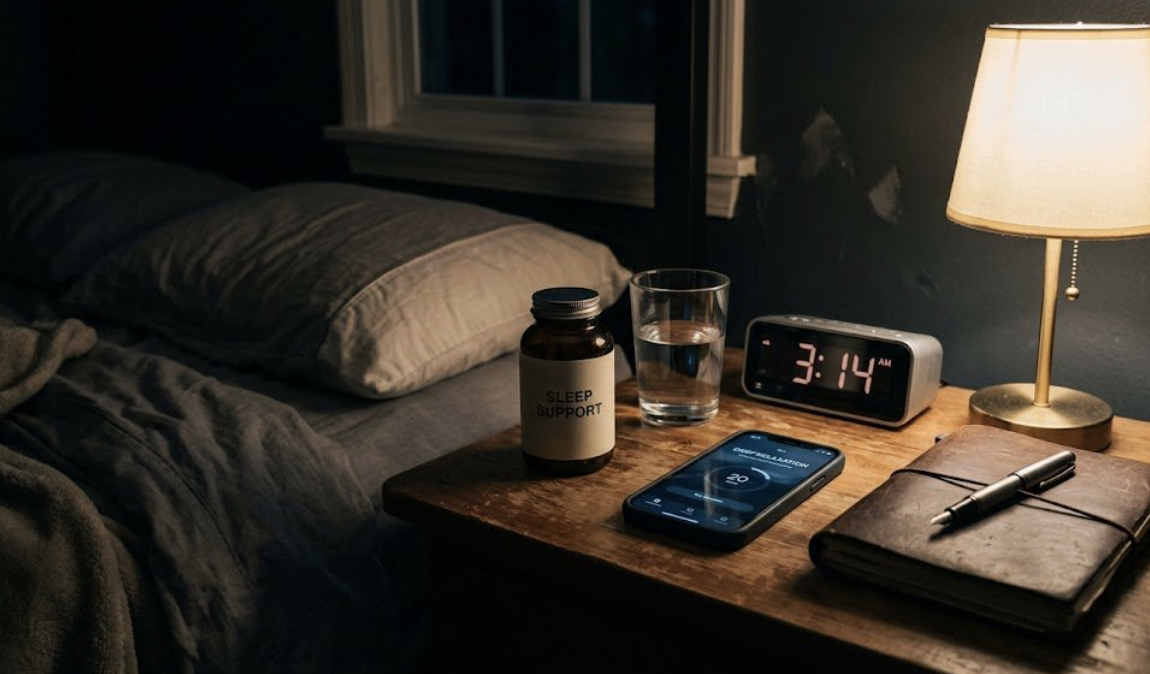
    Nightstand still life at 3:14 AM: alarm clock, a 'Sleep Support' supplement bottle, a glass of water, a phone showing a relaxation app, a journal with pen, and a softly lit bedside lamp — symbolizing wired-but-tired nights

    The standard advice for stress is ‘manage your stress better.’ This advice is not wrong, but it tends to focus on cognitive techniques (meditation, mindset, reframing) without addressing the physiological infrastructure of the stress response.

    For someone with established High Cortisol, willpower-based stress management often underperforms because the underlying signaling is dysregulated. Meditation can help, but its effect is significantly amplified when it is layered on top of foundational corrections (sleep, light, blood sugar, inflammation). Without those foundations, the nervous system stays activated despite the practice.

    Standard sleep advice also tends to underperform with this pattern. ‘Get eight hours’ is a useful goal, but if cortisol is dysregulated, sleep architecture is fragmented even when total time in bed is adequate ²³.

    Pharmaceutical approaches (sleep aids, anxiolytics, antidepressants) can help with symptoms but do not directly correct the HPA axis dysfunction. In some cases they may inadvertently reinforce it ²⁴.

    The deeper limitation of conventional approaches is that they tend to treat the symptoms of cortisol dominance (poor sleep, anxiety, weight gain) as separate problems rather than as expressions of a single dysregulated system.

    A Different Approach

    The High Cortisol framework starts from a different premise: the goal is not to fight the stress response but to give the body the conditions in which the stress response can naturally complete and reset.

    This is what the Hormetics system addresses for this type. The Cortisol Reset Protocol, co-developed by Elwin Robinson and Dr. Miriam Mikicki MD, works through the structural drivers of HPA dysregulation in a specific order. The details of the protocol are beyond the scope of this page, but the framework addresses sleep architecture, light exposure, blood sugar stability, nervous system regulation practices, and targeted nutritional and adaptogenic support. The approach is not ‘do more meditation.’ It is ‘give the system the inputs it needs to recalibrate.’

    The first step is identifying which of the five Hormetics types applies to your specific situation.

    The Bigger Picture

    High Cortisol rarely operates in isolation. Chronic cortisol elevation drives insulin resistance ²⁵ and contributes to leptin resistance through the inflammatory pathways that affect both ²⁶. It can also worsen estrogen dominance by interfering with hepatic detoxification ²⁷ and reduces metabolic rate by inhibiting active thyroid hormone ²⁸.

    In Dr. Mikicki's clinical work with patients whose body composition does not respond to sound nutrition and exercise, cortisol is consistently among the first patterns she investigates. As she has put it: ‘I definitely see a link with cortisol and weight issues.’

    If the description on this page sounds like your experience, the next step is the assessment.

    Already taken the assessment and know you're a Cortisol Type? If so, the following could help:

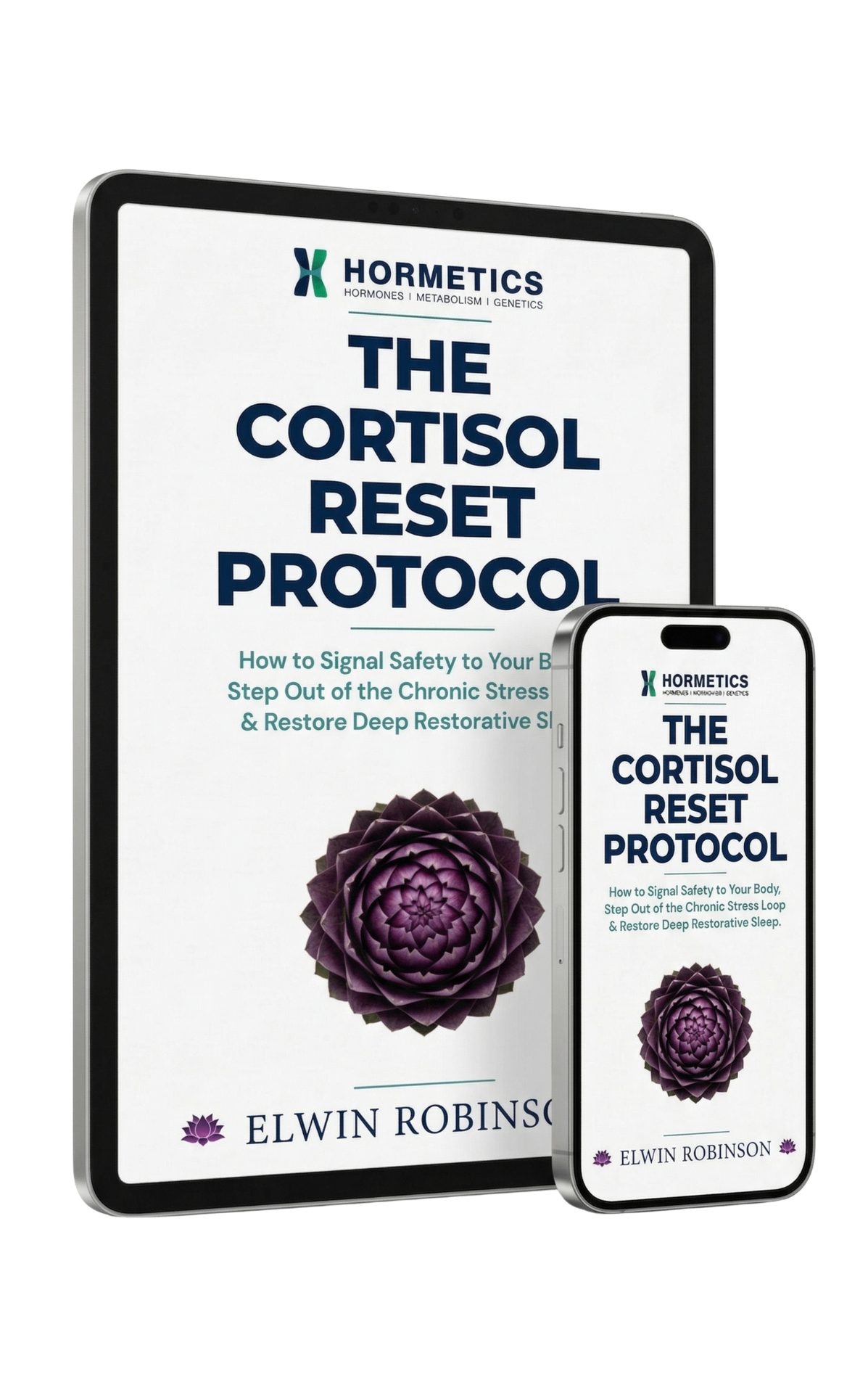
    The Cortisol Reset Protocol guide

    The Cortisol Reset Protocol

    The complete protocol for the cortisol type — stress recovery practices that actually work, sleep architecture, and the full toolkit for getting out of chronic alarm mode.

    Learn More

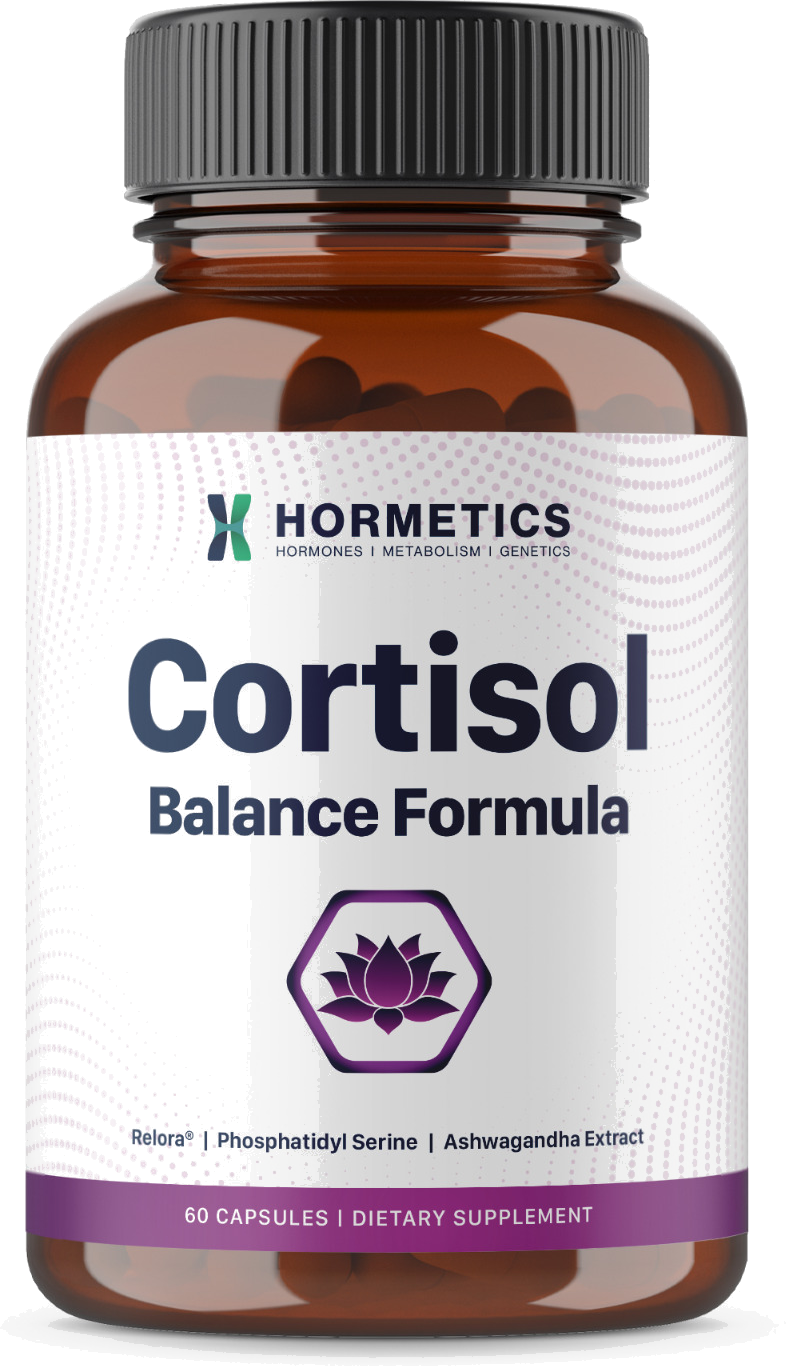
    Cortisol Balance Formula bottle

    Cortisol Balance Formula

    Formulated to support healthy stress response and adrenal function.†

    Learn More

    Important: The Hormetics framework is an educational system designed to support hormonal and metabolic optimization. It is not a substitute for medical evaluation, diagnosis, or treatment. If you have a medical condition, are taking medication, or have specific health concerns, consult with your healthcare provider before making changes. Individual results vary.

    Scientific Citations

    1. Epel ES, et al. Stress and obesity: the role of the hypothalamic-pituitary-adrenal axis in metabolic disease. Obes Rev. 2010;11(2):135–148. https://pmc.ncbi.nlm.nih.gov/articles/PMC2858344/
    2. van der Valk AC, et al. Glucocorticoids and HPA axis regulation in the stress-obesity connection. Obes Rev. 2024. https://pmc.ncbi.nlm.nih.gov/articles/PMC11907100/
    3. Adam EK, Fries E, et al. The cortisol awakening response: regulation and functional significance. Endocr Rev. 2025;46(1):43–78. https://academic.oup.com/edrv/article/46/1/43/7739741
    4. Cortisol awakening response. Wikipedia summary with primary references. https://en.wikipedia.org/wiki/Cortisol_awakening_response
    5. Incollingo Rodriguez AC, et al. Hypothalamic-pituitary-adrenal axis dysregulation and cortisol activity in obesity. Psychoneuroendocrinology. 2015;62:301–318. https://pubmed.ncbi.nlm.nih.gov/26356039/
    6. Spiegel K, et al. The impact of sleep disturbances on adipocyte metabolism. Sleep Med Rev. 2006;10(1):19–31. https://pmc.ncbi.nlm.nih.gov/articles/PMC3031100/
    7. Schakman O, et al. Glucocorticoids and muscle atrophy. Curr Opin Clin Nutr Metab Care. 2013;16(6):634–639. https://onlinelibrary.wiley.com/doi/full/10.1111/cob.12725
    8. Leproult R, Van Cauter E. Role of sleep and sleep loss in hormonal release and metabolism. Endocr Dev. 2010;17:11–21. https://pmc.ncbi.nlm.nih.gov/articles/PMC3031100/
    9. Spiegel K, et al. The impact of sleep disturbances on adipocyte metabolism. Sleep Med Rev. 2006;10(1):19–31. https://pmc.ncbi.nlm.nih.gov/articles/PMC3031100/
    10. van der Valk AC, et al. Glucocorticoids and HPA axis regulation in the stress-obesity connection. Obes Rev. 2024. https://pmc.ncbi.nlm.nih.gov/articles/PMC11907100/
    11. Holly EN, Miczek KA. Stress and neuronal dopamine systems: an integrative perspective. Behav Pharmacol. 2016;27(2–3 Spec Issue):112–124. https://onlinelibrary.wiley.com/doi/full/10.1111/cob.12725
    12. Donner NC, Lowry CA. Sex differences in anxiety and emotional behavior. Eur J Pharmacol. 2013;719(1–3):250–271. https://onlinelibrary.wiley.com/doi/full/10.1111/cob.12725
    13. Cain DW, Cidlowski JA. Immune regulation by glucocorticoids. Nat Rev Immunol. 2017;17(4):233–247. https://onlinelibrary.wiley.com/doi/full/10.1111/cob.12725
    14. LoPresti JS, et al. Effects of glucocorticoids on thyroid function. J Clin Endocrinol Metab. 1990;71(2):404–411. https://pubmed.ncbi.nlm.nih.gov/2298854/
    15. Cadegiani FA, Kater CE. Adrenal fatigue does not exist: a systematic review. BMC Endocr Disord. 2016;16:48. https://pmc.ncbi.nlm.nih.gov/articles/PMC4997656/
    16. Broussard JL, Van Cauter E, et al. A single night of partial sleep deprivation induces insulin resistance in multiple metabolic pathways in healthy subjects. J Clin Endocrinol Metab. 2012;97(9):E1180–E1185. https://pubmed.ncbi.nlm.nih.gov/20371664/
    17. Van Cauter E, Spiegel K. Sleep loss and the HPA axis. Best Pract Res Clin Endocrinol Metab. 2009;23(5):865–875. https://pmc.ncbi.nlm.nih.gov/articles/PMC3031100/
    18. Lovallo WR, et al. Caffeine stimulation of cortisol secretion across the waking hours in relation to caffeine intake. Psychosom Med. 2005;67(5):734–739. https://pmc.ncbi.nlm.nih.gov/articles/PMC2257922/
    19. Caffeine. StatPearls [Internet]. (half-life) https://pmc.ncbi.nlm.nih.gov/articles/PMC2257922/
    20. Kreher JB, Schwartz JB. Overtraining syndrome: a practical guide. Sports Health. 2012;4(2):128–138. https://onlinelibrary.wiley.com/doi/full/10.1111/cob.12725
    21. van der Valk AC, et al. (cortisol as counter-regulatory hormone) https://pmc.ncbi.nlm.nih.gov/articles/PMC11907100/
    22. Heim C, Nemeroff CB. The role of childhood trauma in the neurobiology of mood and anxiety disorders: preclinical and clinical studies. Biol Psychiatry. 2001;49(12):1023–1039. https://onlinelibrary.wiley.com/doi/full/10.1111/cob.12725
    23. Spiegel K, et al. The impact of sleep disturbances on adipocyte metabolism. Sleep Med Rev. 2006;10(1):19–31. https://pmc.ncbi.nlm.nih.gov/articles/PMC3031100/
    24. McEwen BS. Central effects of stress hormones in health and disease: understanding the protective and damaging effects of stress and stress mediators. Eur J Pharmacol. 2008;583(2–3):174–185. https://onlinelibrary.wiley.com/doi/full/10.1111/cob.12725
    25. van der Valk AC, et al. (cortisol-insulin) https://pmc.ncbi.nlm.nih.gov/articles/PMC11907100/
    26. Thaler JP, Yi CX, Schur EA, et al. Hypothalamic inflammation in obesity and metabolic disease. J Clin Invest. 2013;123(1):53–61. https://www.jci.org/articles/view/88878
    27. Pop LJ, et al. Environmental chemicals and thyroid function. Endocr Rev. 2019;40(4):1014–1044. (hepatic detox link) https://pmc.ncbi.nlm.nih.gov/articles/PMC5461198/
    28. LoPresti JS, et al. Effects of glucocorticoids on thyroid function. J Clin Endocrinol Metab. 1990;71(2):404–411. https://pubmed.ncbi.nlm.nih.gov/2298854/
    29. Reaven GM. Insulin Resistance: the link between obesity and cardiovascular disease. Diabetes Care. 2007;30(5):1320–1326. https://diabetesjournals.org/care/article/30/5/1320/29848/Insulin-Resistance-Concepts

    Medical Disclaimer: The information provided on this website and in our materials is for educational and informational purposes only and is not intended as medical advice. These statements have not been evaluated by the Food and Drug Administration. Our protocols and any referenced products are not intended to diagnose, treat, cure, or prevent any disease. Always consult with a qualified healthcare professional before starting any new diet, exercise, or supplement program.

    Results Disclaimer: Individual results may vary. Any testimonials or examples used on this page are not intended to represent or guarantee that anyone will achieve the same or similar results. Your specific outcomes depend on your individual baseline health, effort, and compliance with the protocol.

    Identify your Hormonal Archetype,
    Discover What's Been Working Against You
    Copyright © 2026 onwards. All rights reserved.

    Hormetics, Robinson Research Ltd, 128 City Road, London EC1V 2NX

    Support Email: support@hormetics.health

    We use cookies to ensure the best experience and for ad performance.